Grow Organic
Marionberry
Marionberry
"Please ensure that you select the correct shipping week based on your zone. If you're unsure, kindly refer to our Zoning Guide Page for assistance."
In stock
Couldn't load pickup availability
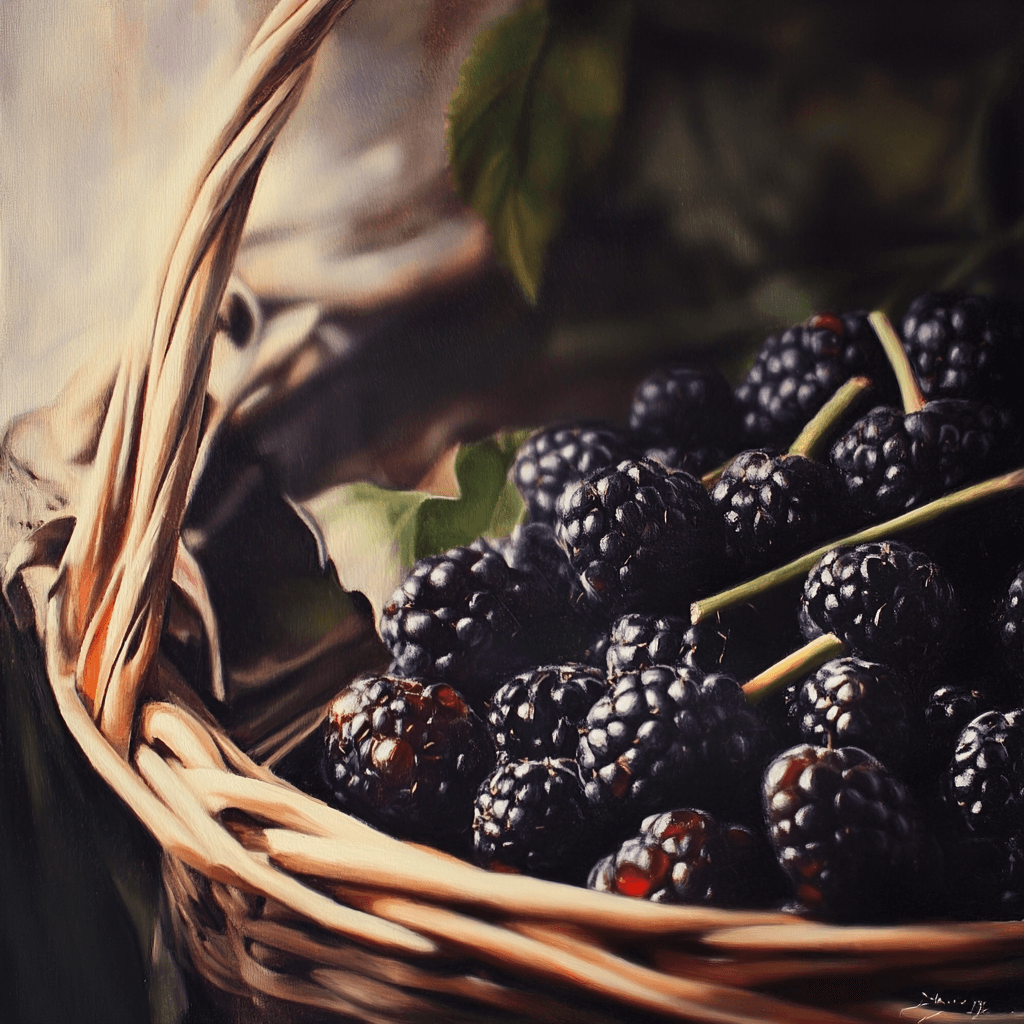
Marionberry is supplied as one live potted plant and grows into a vigorous, thorny trailing blackberry. Developed for the Pacific Northwest, it produces firm, bright-black berries with the intense aroma and balanced sweet-tart flavor that make marionberries distinctive. Fully ripe fruit is excellent for fresh eating and especially well suited to pies, preserves, sauces, baking, and freezing.
- Plant form: One live potted marionberry plant
- USDA zones: 6–9
- Chill requirement: Approximately 300–500 hours
- Fruiting habit: Trailing floricane, or summer bearing
- Pollination: Self-fruitful; another blackberry is not required
- Canes: Thorny, long, flexible, and dependent on support
Choose a sunny, protected site with fertile soil that drains well. Marionberry is less tolerant of severe winter cold and extreme summer heat than many erect blackberries, so regional fit and careful site selection are important. Water the nursery pot before planting, keep the crown near its existing depth, and maintain consistent soil moisture while the roots establish. Continue irrigating evenly during flowering and fruit fill without allowing prolonged saturation. Mulch can moderate the root zone when kept away from direct contact with the crown.
Provide a sturdy trellis or horizontal wire system before the canes lengthen. Separate the current season’s fruiting floricanes from new primocanes and tie both groups loosely to their support. After the summer harvest, remove the floricanes that produced berries at ground level and train healthy primocanes into their place for the following crop. Wear gloves while working around the thorny canes, remove weak or damaged growth, and avoid crowding the trellis so leaves receive light and dry readily.
Marionberry is self-fruitful, so a named pollinizer partner is not necessary, although bee activity remains valuable during bloom. Learn more in Growing Marionberries, and browse the berry plant collection for earlier, later, thornless, or more heat-tolerant companions. Harvest timing and crop size vary with climate, cane management, and plant age.
Share